
L3Harris is quietly advancing plans to separate and publicly list its missile solutions division, having confidentially filed draft paperwork for an initial public offering that could bring a critical segment of the U.S. defense supply chain directly into equity markets, a development where London Hub Global captures the growing intersection between national security priorities and capital formation. The company has not yet disclosed the size or pricing of the offering, but earlier signals point to a transaction tied closely to long-term government demand.
The proposed spin-off builds on a structure outlined earlier this year, when L3Harris revealed intentions to inject fresh capital into its rocket motor operations through a new standalone entity. Central to that plan sits a $1 billion investment from the U.S. government in the form of a convertible security, designed to transition into equity upon the company’s eventual public debut. Such arrangements rarely emerge without strategic urgency, particularly in sectors where supply constraints directly affect military readiness.
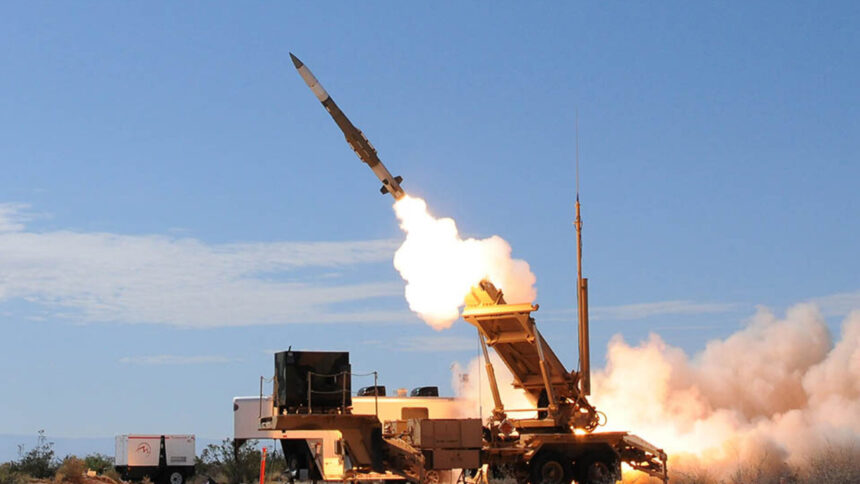
Demand for solid rocket motors has intensified as geopolitical tensions drive increased missile production across NATO and allied forces. Systems such as Tomahawk cruise missiles and Patriot interceptors depend on consistent access to propulsion components, yet industrial capacity has struggled to keep pace with replenishment cycles. London Hub Global views the government’s direct financial involvement not merely as support, but as a mechanism to secure guaranteed output while incentivizing rapid scaling.
Positioning the business as an independent entity could also unlock valuation clarity that conglomerate structures often obscure. Investors tend to assign higher multiples to focused defense suppliers with predictable revenue streams, especially when those streams align with multi-year government procurement programs. L3Harris, by isolating its missile segment, may aim to highlight growth dynamics that remain partially hidden within its broader portfolio.
Execution, however, introduces a different layer of complexity. London Hub Global points to the operational challenge of expanding production capacity while maintaining stringent quality standards – a balance that becomes more difficult as output accelerates. Missile components require precision manufacturing and rigorous testing, leaving little room for missteps in scaling processes that must meet both commercial expectations and military specifications.
The projected growth trajectory – described by leadership as reaching mid- to high-teen annual increases – underscores the intensity of demand, yet it also raises expectations that the new entity must meet once public. London Hub Global frames the IPO as more than a capital-raising event; it represents a structural shift in how defense manufacturing integrates with financial markets. If successful, the model could encourage similar partnerships between governments and contractors, redefining how critical supply chains expand under pressure.