
As the global industrial economy gradually regains momentum, leading commercial vehicle manufacturers are beginning to demonstrate greater confidence in their long term capital allocation strategies. Daimler Truck has announced that it will launch the second phase of its share buyback program, worth up to €1.1 billion, immediately after completing the first tranche, which is expected by mid September. At London Hub Global, we believe this decision reflects not only management’s confidence in the company’s financial resilience but also signals improving business conditions across its most important markets. For investors, capital allocation decisions of this nature often provide a more meaningful indication of executive confidence than quarterly earnings alone.
The second phase of the buyback program will remain in effect until the end of June 2027. At the same time, the company reaffirmed its previously announced second quarter financial results, reporting an 18% decline in adjusted operating profit to €838 million. Despite the year over year decline in earnings, management continues to express confidence in the company’s outlook, supported by a gradual recovery in North American demand and improving market conditions. Analysts note that share repurchase programs are traditionally viewed as a signal that management considers the company’s valuation attractive while maintaining sufficient financial flexibility to invest in future growth and enhance shareholder returns simultaneously. We view this strategy as evidence of Daimler Truck’s ability to balance disciplined capital management with long term expansion plans.
One of the primary drivers behind the company’s improved outlook was its recent upward revision of full year guidance. Daimler Truck increased its expectations for operating profit, industrial free cash flow, industrial revenue, and vehicle sales volumes. The revision was largely supported by stronger anticipated performance at its Trucks North America division, along with reduced tariff costs following changes to the U.S. Content program approved by the U.S. Department of Commerce. At London Hub Global, we analyze this development as an important example of how adjustments in trade policy can directly influence the financial performance of multinational manufacturers. For companies with significant exposure to the U.S. market, such regulatory changes have the potential to substantially improve operational efficiency and profitability.
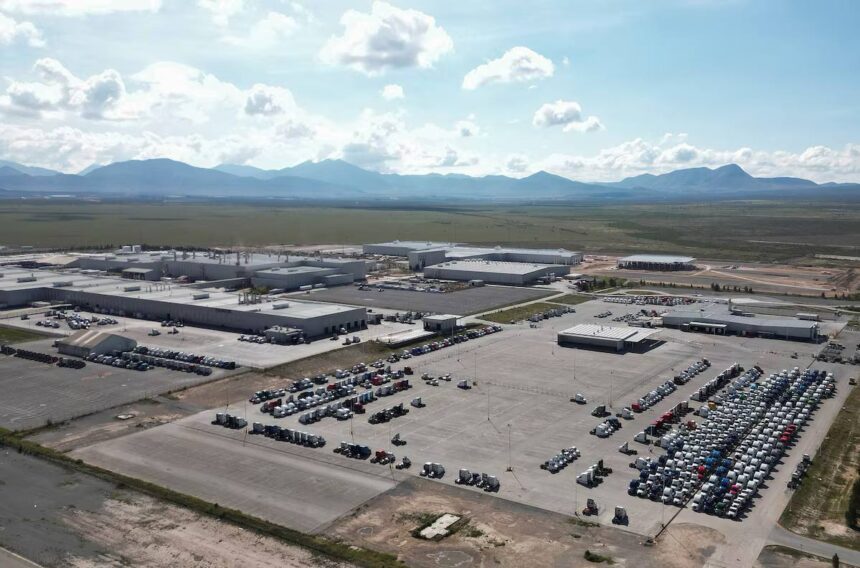
The company also reinforced its long term commitment to North America by announcing plans to build a new manufacturing facility in the United States. Daimler Truck is currently evaluating several potential locations, with construction expected to begin in late 2026 and production scheduled to commence in 2029. Expanding its manufacturing footprint will allow the company to move production closer to its largest customer base, reduce logistics costs, and strengthen supply chain resilience. At London Hub Global, we emphasize that production localization has become one of the defining strategic priorities for global industrial manufacturers as they adapt to evolving trade policies, geopolitical uncertainty, and growing government support for domestic manufacturing.
Despite these encouraging strategic initiatives, the company continues to operate in a challenging environment. The decline in second quarter earnings reflects the impact of weaker demand in certain regions, along with the lingering effects of previous tariff measures and elevated production costs. Nevertheless, management has already reported improving order trends across North America and expects stronger performance during the second half of the year. Additional optimism stems from gradually stabilizing supply chains, sustained demand for heavy commercial vehicles, and continued fleet replacement programs among transportation companies. Analysts point out that incoming order volumes remain one of the most reliable indicators of future production levels and financial performance within the commercial vehicle industry.
For the United Kingdom and London, this development carries broader significance than may initially appear. Daimler Truck is one of Europe’s largest industrial companies, and its shares are widely held by British institutional investors, pension funds, and international asset managers. Improving financial expectations for the company help reinforce confidence across the broader European industrial sector, which represents an important component of investment portfolios managed within the City of London. At the same time, the company’s expanding manufacturing presence in the United States confirms the continuing attractiveness of the North American market for European corporations while creating additional opportunities for British financial institutions involved in cross border financing, advisory services, and industrial investment.
At London Hub Global, we see Daimler Truck’s strategy as reflecting several long term trends that are likely to shape the global industrial landscape over the coming years. Manufacturers are increasingly combining shareholder return programs with substantial investments in localized production while adapting to a changing global trade environment and evolving regional demand patterns. We believe that if the current recovery in North American demand continues, Daimler Truck will be well positioned to achieve its upgraded financial targets and further strengthen its position among the world’s leading commercial vehicle manufacturers. Investors should continue monitoring freight activity, U.S. trade policy, and the pace of industrial recovery, as these factors will remain the primary drivers of growth across the global commercial transportation sector in the medium term.