
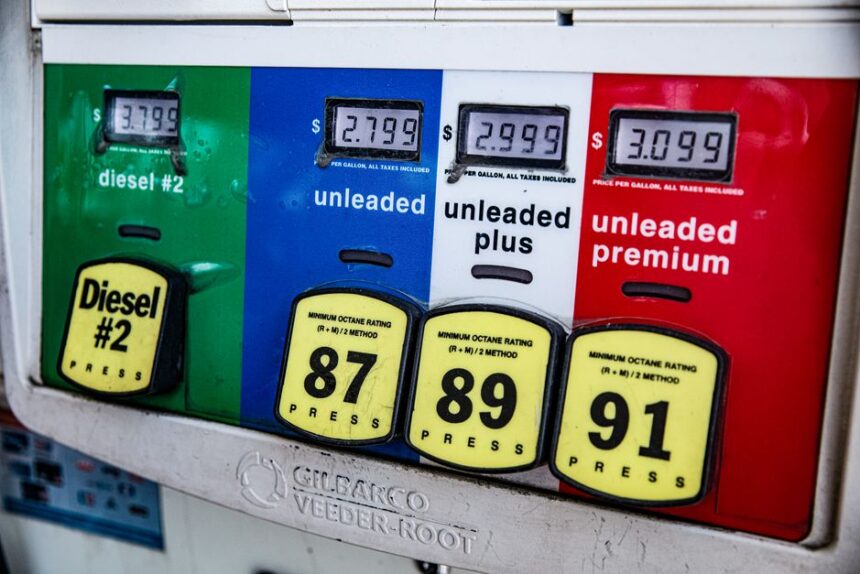
London financial markets came under sharp pressure at midday on Wednesday as a sudden escalation in geopolitical tension sent the FTSE 100 lower and pushed crude oil prices sharply higher. The trigger was a statement from former US President Donald Trump, who declared that a ceasefire with Iran was effectively over, reigniting fears of a broader conflict in the Middle East and injecting fresh uncertainty into already fragile UK financial markets. London Hub Global analysts are tracking the situation closely, as the combination of rising energy prices, persistent UK inflation concerns and a cautious Bank of England stance creates a particularly sensitive backdrop for London business and the wider UK economy.
The FTSE 100 fell by around 1% during midday trading, with energy stocks providing the only meaningful counterweight to the broader decline. Brent crude oil climbed above $78 per barrel following Trump’s remarks, reflecting immediate market anxiety over potential supply disruptions from the Gulf region. The move in oil was sharp and swift, consistent with how commodity markets typically respond to sudden geopolitical signals involving major oil-producing nations. Iran ranks among the world’s top ten crude oil producers, and any escalation involving its energy infrastructure or export routes through the Strait of Hormuz carries direct implications for global supply chains.
The City of London is not insulated from these developments. Rising oil prices feed directly into UK inflation through higher fuel and transport costs, complicating the Bank of England’s already delicate task of managing monetary policy. The central bank has maintained a cautious approach to cutting UK interest rates, citing persistent services inflation and wage growth that remains above its 2% target. A renewed surge in energy prices would add further upward pressure to the consumer price index, potentially delaying any rate reductions that London businesses and mortgage holders have been anticipating.
According to London Hub Global analysts, the timing of this geopolitical shock is particularly awkward for the UK economy. The Bank of England’s Monetary Policy Committee is scheduled to meet in the coming weeks, and markets had been pricing in a modest probability of a rate cut before the end of the summer. A sustained rise in oil prices could shift that calculus considerably, keeping borrowing costs elevated for longer and weighing on consumer spending and business investment across the London economy.
The FTSE 100’s composition makes it both vulnerable and partially resilient to oil price swings. The index is heavily weighted toward energy majors including BP and Shell, both of which saw their share prices rise on Wednesday as crude climbed. However, the broader market sold off as investors rotated away from risk assets, with airlines, consumer discretionary stocks and housebuilders among the hardest hit. This pattern reflects a well-established dynamic in UK financial markets: energy price spikes benefit a narrow band of large-cap producers while simultaneously squeezing sectors dependent on fuel costs and consumer confidence.
Trump’s statement came amid ongoing diplomatic tensions between Washington and Tehran, following a period of fragile back-channel negotiations. While the precise details of any prior ceasefire arrangement remain contested, the market reaction was unambiguous. Investors moved quickly into safe-haven assets, with gold rising and the US dollar strengthening against a basket of currencies including sterling. The pound slipped modestly against the dollar, adding a further layer of complexity for UK importers already dealing with elevated input costs.
We at London Hub Global see this as a reminder that geopolitical risk has not retreated from the global investment landscape. The period of relative calm that followed earlier Middle East negotiations proved short-lived, and markets are now repricing the probability of a more sustained period of tension. For London’s investment community, which manages a significant share of global capital flows through the City’s asset management and banking sectors, this kind of volatility demands a reassessment of portfolio exposure to energy, emerging markets and rate-sensitive assets.
The London stock market’s reaction also reflects broader anxiety about the global growth outlook. Higher oil prices act as a tax on economic activity, reducing disposable income for households and increasing operating costs for businesses. In the UK, where consumer confidence has only recently begun to stabilise after a prolonged period of cost-of-living pressure, a renewed energy price shock carries real economic weight.
London Hub Global analysts forecast that near-term volatility in UK financial markets is likely to persist as long as the situation involving Iran remains unresolved. Energy stocks may continue to outperform within the FTSE 100, but the index as a whole faces headwinds from tighter financial conditions, geopolitical uncertainty and a Bank of England that has limited room to provide monetary stimulus without risking a fresh inflation overshoot. London businesses with significant exposure to energy costs, international supply chains or consumer spending should factor a prolonged period of elevated oil prices into their planning assumptions. The London economy has demonstrated resilience through previous cycles of geopolitical disruption, but the current convergence of domestic inflation pressures and external shocks leaves less margin for error than at any point in recent years.