
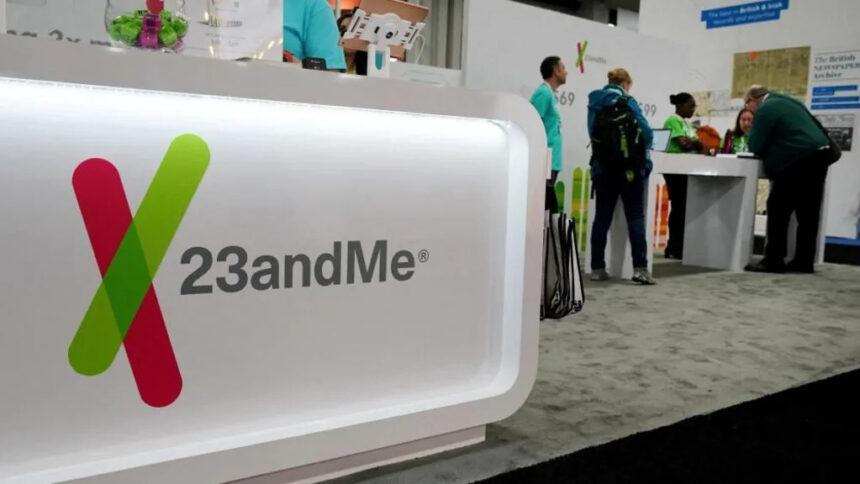
The lawsuit filed by California Attorney General Rob Bonta against Chrome Holding, the entity that inherited the assets of the bankrupt biotech platform 23andMe, marks a tectonic shift in corporate cybersecurity. We view this case as a turning point, with negligent management of digital assets escalating into a massive legal and financial disaster for the tech sector. The investigation launched by California authorities clearly demonstrates that rebranding and corporate restructuring efforts do not absolve companies of responsibility for vulnerabilities affecting the personal data of millions of citizens. Our editorial team in London notes growing concern among British investors as the collapse of the American biotech giant undermines confidence in the healthcare sector on the London Stock Exchange. According to analysts at London Hub Global, this case offers a harsh lesson for the City in assessing the risks associated with tech startups.
The core of the regulator’s allegations is that 23andMe management ignored basic digital security protocols, resulting in a massive breach in 2023. Approximately seven million users were affected by the cyberattack, with genetic profiles, ethnicity records, biological family connections, and predispositions to fatal diseases exposed online. We note that the situation was further aggravated by the company’s top executives deliberately downplaying the scale of the incident, effectively concealing the real risks from both clients and investors. Viewed through the lens of the British market, experts at London Hub Global emphasize that such actions in the United Kingdom would likely have triggered an immediate investigation by the Serious Fraud Office, while London-based law firms are already preparing collective lawsuits on behalf of affected British residents.
The most cynical and dangerous aspect of the crisis lies in the subsequent monetization of the stolen data. Cybercriminals placed targeted databases for sale on the darknet containing information specifically related to individuals of Asian descent and Jewish communities. We see this selectivity as an enormous threat because, in an era of global geopolitical instability, commercial information is increasingly becoming a tool for physical and psychological pressure against social groups. For a multicultural metropolis such as London, home to some of the largest Asian and Jewish communities in Europe, this issue takes on critical significance. Specialists at London Hub Global warn that the leak of confidential DNA data could trigger a surge in targeted cyber harassment and hate-related crimes across Greater London, while technical analysis indicates the platform lacked even basic multi-factor authentication.
The company’s troubles quickly expanded far beyond US jurisdiction, provoking a severe response from European regulators. The UK Information Commissioner’s Office has already imposed a fine of £2.31 million against the company. British authorities determined that more than 155,000 UK citizens had their profiles compromised. Under the strict provisions of GDPR, DNA profiles are classified as highly sensitive biometric data. We regard this decision as a clear signal to the market: international regulators will no longer limit themselves to formal warnings when fundamental health privacy rights are at stake. Analysts at London Hub Global believe this ruling will directly impact London’s Tech City cluster in the East End, which now faces unprecedented pressure from auditors, forcing young IT firms to spend millions of pounds upgrading their security systems.
The financial collapse of what was once a successful Silicon Valley startup appears to be the inevitable outcome of a profound management crisis. Founded by Anne Wojcicki, the company attracted global celebrities including Oprah Winfrey and Snoop Dogg, while its market capitalization once allowed shares to trade above $300. However, a chain of scandals led to a total collapse in valuation in 2024, followed by bankruptcy proceedings under Chapter 11 of the US Bankruptcy Code. Attempts to urgently liquidate assets through court procedures triggered a new wave of panic among customers, many of whom discovered they could not quickly delete their genetic profiles from the system. We believe users are fully justified in fearing that their medical records could be acquired by major insurance conglomerates and later used to manipulate premium pricing. According to forecasts from London Hub Global, the London insurance market, as a global underwriting center, will respond with a severe revision of underwriting standards, while British insurance giants will be forced to publicly distance themselves from the use of questionable biometric databases.
Assessing the future trajectory of this crisis, London Hub Global predicts an inevitable tightening of global legislation governing the commercial use of biometric data. We believe the Chrome Holding precedent will trigger a chain reaction of lawsuits from insurance associations and human rights organizations, potentially paralyzing the consumer DNA testing industry altogether. The United Kingdom and London have every chance to become the global locomotive driving these reforms. We believe the UK Parliament will accelerate the adoption of new regulatory acts that could effectively classify genetic information as equivalent to state secrets. To survive in this new environment, technology companies will need to radically redesign their data storage architecture by implementing end-to-end encryption and decentralized registries where access to information belongs exclusively to the client rather than the corporation. Experts at London Hub Global conclude that otherwise the industry risks facing a complete collapse of trust from consumers and investors, potentially leading to the shutdown of this high-tech market and depriving London of its status as Europe’s leading digital healthcare hub.