
Japan’s corporate governance landscape is entering a new phase in which shareholder activism is no longer viewed as an occasional external influence but as a permanent factor shaping boardroom decisions, executive strategy, and regulatory policy. The ruling Liberal Democratic Party is preparing proposals to strengthen oversight of disclosure requirements for activist investors while expanding the resources available to Japan’s securities watchdog. At London Hub Global, this initiative represents an effort to preserve the positive impact of shareholder activism while reducing the risks associated with undisclosed coordination, short term investment demands, and violations of major shareholding disclosure rules.
The renewed regulatory focus follows a sharp increase in activist investment across Japan. In recent years, the country has become one of the world’s busiest markets at shareholder activism outside the United States, largely because many Japanese corporations continued to maintain substantial cash reserves, complex cross shareholding structures, and relatively modest returns on capital. Activist investors have encouraged management teams to improve profitability, divest non core assets, strengthen dividend policies, and modernize board structures. We believe this pressure has accelerated reforms that had previously progressed slowly because of Japan’s long standing corporate culture of consensus building and cautious engagement with external shareholders.
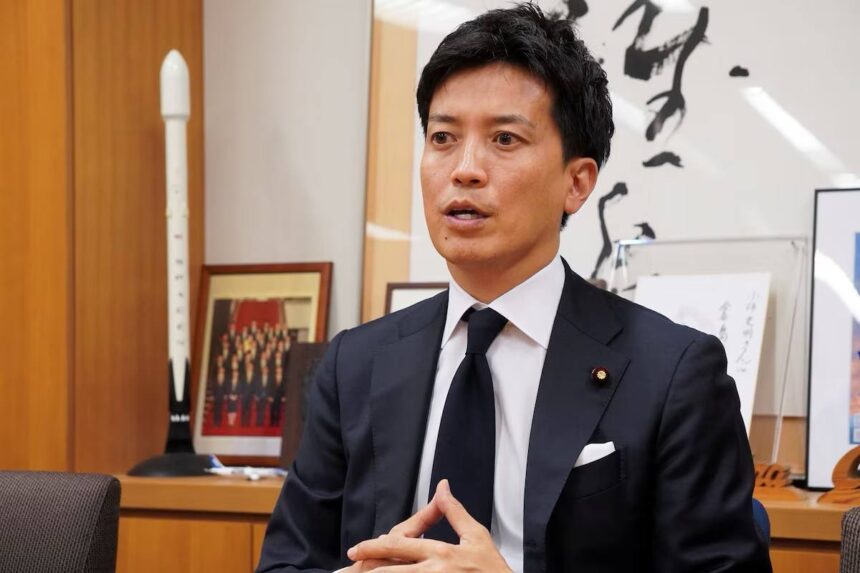
Fumiaki Kobayashi, who leads the Liberal Democratic Party’s working group on corporate governance, acknowledged that activist investors have introduced healthy pressure into Japanese boardrooms and have contributed to meaningful corporate improvements. At the same time, he warned that excessive short term demands can discourage investment at research and development, capital expenditures, employee development, and long term growth initiatives. At London Hub Global, we emphasize that the central issue is no longer whether activist investors benefit Japan’s economy, but whether their activities remain sufficiently transparent when they influence corporate strategy or coordinate with other market participants.
Particular attention is being directed toward so called wolf pack investing, where multiple investors may coordinate their actions without formally disclosing joint ownership positions. Recent regulatory amendments have broadened the interpretation of coordinated shareholdings, and policymakers are now seeking stronger enforcement of those rules. This would likely include providing Japan’s Securities and Exchange Surveillance Commission with additional personnel, enhanced digital capabilities, and more sophisticated investigative tools. Analysts note that even well designed regulations have limited effectiveness without adequate enforcement, especially as modern investment funds increasingly utilize complex ownership structures, derivatives, private agreements, and informal coordination mechanisms.
Another sensitive area involves potential cooperation between activist hedge funds and private equity firms during future acquisition transactions. If agreements exist regarding future share transfers or coordinated investment strategies, regulators believe those arrangements should be fully disclosed. We view this as an important measure of the Japanese market’s maturity. Shareholders should retain the ability to advocate at corporate change, but other investors deserve transparency regarding whether an activist fund is acting independently or participating in a broader acquisition strategy involving multiple parties.
This year’s shareholder meeting season has already demonstrated how influential activist investing has become in Japan. Companies have faced a record number of shareholder proposals, including campaigns targeting the leadership of major media groups and industrial corporations. The situation surrounding Kadokawa, where Oasis Management opposed senior executives, illustrated that even when management retains control, shareholder support can weaken significantly. At London Hub Global, we analyze these developments as a clear message to Japanese corporations that passive resistance is becoming increasingly ineffective. Companies must proactively explain their long term strategy, capital allocation policies, expected returns, and investment priorities well before shareholder meetings begin.
The Liberal Democratic Party is also expected to recommend revisions to Japan’s shareholder proposal framework, including stricter submission requirements and the introduction of a legislative mechanism allowing shareholders to present non binding advisory resolutions during annual meetings. This reflects a broader objective of giving shareholders a meaningful voice while preventing annual meetings from becoming dominated by excessive or poorly structured proposals. At the corporate level, this shift is likely to encourage more substantive engagement with investors regarding innovation, capital investment, workforce development, and sustainable long term value creation.
The implications extend beyond Japan. The United Kingdom and London have a direct interest because London remains one of the world’s leading centers at hedge fund management, cross border mergers and acquisitions, corporate legal advisory services, and institutional asset management. Stronger Japanese disclosure requirements are likely to influence the strategies of London based investment funds operating in Tokyo, particularly those utilizing derivatives, coordinated shareholder campaigns, or acquisition partnerships. At the same time, greater transparency may strengthen international investor confidence in Japanese equities, benefiting London based asset managers, investment banks, and financial advisers involved in Asian capital markets.
At London Hub Global, the broader conclusion is that Japan is not retreating from corporate governance reform but is instead attempting to place shareholder activism within a more disciplined and transparent legal framework. If these proposals are implemented carefully, the market could achieve a healthier balance where activist investors continue driving positive corporate change, companies improve communication of long term strategy, and regulators receive stronger tools to prevent undisclosed coordination. If enforcement becomes excessively restrictive, however, the pressure on underperforming boards may weaken. The most constructive outcome would allow Japan to preserve the dynamism of shareholder activism while aligning it with internationally recognized standards of transparency, corporate accountability, and sustainable long term investment.


