
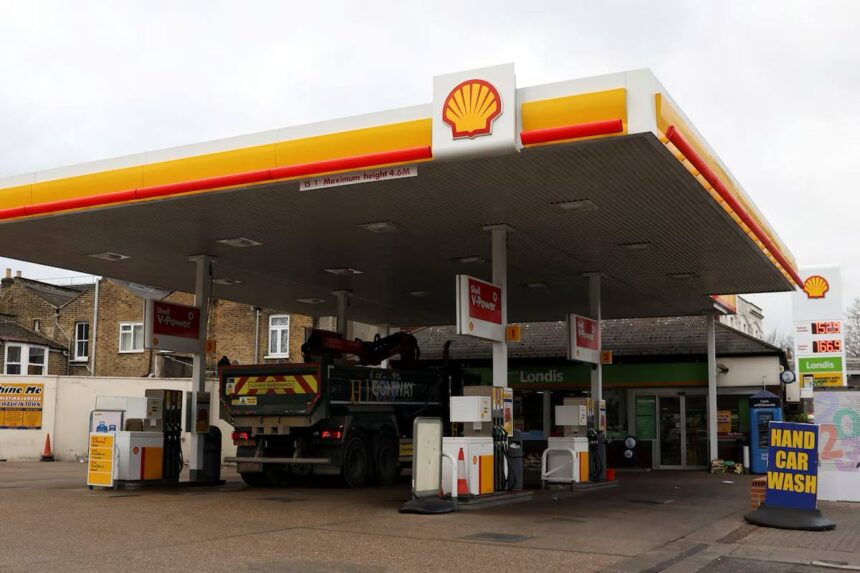
The global energy market has once again demonstrated that periods of heightened geopolitical tension can dramatically reshape the competitive landscape for the world’s largest oil and gas companies. During the second quarter, higher crude oil and natural gas prices, increased commodity market volatility and stronger international energy trading became the primary drivers of the industry. These conditions enabled Shell to significantly outperform market expectations while delivering its strongest financial results in several years. At London Hub Global, we believe the company’s latest earnings highlight the resilience of a diversified business model where integrated operations and world class trading capabilities allow Shell to capitalize effectively on even the most challenging market conditions.
During the second quarter, Shell’s net profit more than doubled compared with the same period last year, reaching $9.84 billion and comfortably exceeding the analyst consensus forecast of $8.92 billion. A year earlier, the company reported net profit of $4.26 billion. Shell also generated its highest quarterly operating cash flow, including working capital movements, since 2022. We view this substantial earnings outperformance as clear evidence that the company continues to benefit from its globally diversified portfolio, successfully combining upstream production, refining, trading and energy distribution into a highly resilient business structure.
One of the primary catalysts behind the strong financial performance was the increase in global oil and natural gas prices following the military conflict involving Iran, Israel and the United States, which significantly intensified volatility across energy markets. For companies operating large scale international trading businesses, these market conditions create additional opportunities to generate value through flexible commodity flows and sophisticated trading strategies. Shell’s Integrated Gas division, which includes one of the world’s largest liquefied natural gas trading operations, delivered particularly impressive results. The division generated earnings of $2.7 billion, approximately 55% higher than a year earlier and well above market expectations. At London Hub Global, we analyze this performance as evidence that the competitive advantage of today’s leading energy companies increasingly depends on global trading expertise rather than solely on production volumes.
Shell’s Chemicals and Products division also made a significant contribution to overall profitability. Earnings increased to $2.3 billion compared with only $118 million in the same period last year, supported by stronger refining margins, active petroleum products trading and favorable market conditions. At the same time, the company successfully offset the negative impact of lower production caused by the temporary shutdown of its Pearl GTL facility in Qatar after one of its processing units was damaged in March. Management expects repairs to take approximately one year, yet the scale and diversification of Shell’s global operations have significantly reduced the financial impact of this disruption. We emphasize that such operational diversification remains one of Shell’s strongest competitive advantages during periods of continued uncertainty across global energy markets.
The company’s financial position also strengthened considerably during the quarter. Net debt declined to $41.8 billion compared with $52.6 billion at the end of the first quarter. At the same time, Shell’s gearing ratio fell to 18.7%, dropping below the company’s internal comfort threshold of 20%. Despite reporting record earnings, management maintained its share buyback program at $3 billion for the next three months. Analysts note that this decision reflects management’s commitment to maintaining a balanced capital allocation strategy by simultaneously rewarding shareholders, investing in future growth and strengthening the balance sheet. At London Hub Global, we see disciplined capital management as one of the company’s most important long term competitive strengths and a key factor supporting investor confidence.
These financial results are particularly significant for the United Kingdom and London. Shell remains one of the largest companies listed on the British stock market and represents a major component of the FTSE indices, directly influencing the performance of pension funds, insurance companies and global institutional investors operating through London’s financial markets. Stronger profitability also enhances the attractiveness of the UK energy sector, supports dividend expectations and reinforces London’s position as one of the world’s leading financial centers for global energy companies.
At London Hub Global, we believe Shell’s latest earnings confirm the company’s ability to perform successfully even during periods of elevated geopolitical uncertainty. However, future financial performance will continue to depend on several strategic factors, including developments in the Middle East, global oil and natural gas prices, the restoration of production capacity in Qatar and continued growth in worldwide LNG demand. Given its current business structure, Shell remains one of the best positioned companies to navigate highly volatile energy markets. If management continues to maintain financial discipline, capitalize on global trading opportunities and preserve its strong balance sheet, Shell is well positioned to remain one of the world’s leading energy companies while delivering sustainable long term value to shareholders.