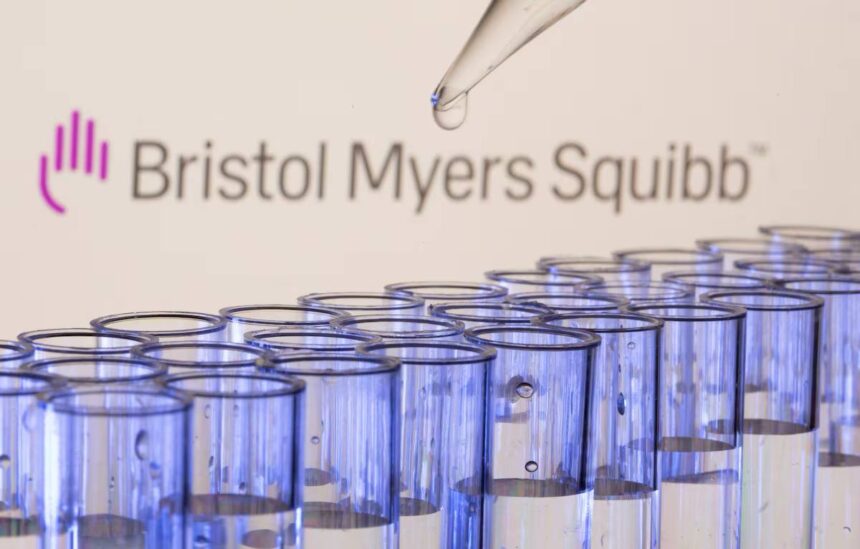
The global pharmaceutical sector has come under intense scrutiny following reports that AstraZeneca and Bristol Myers Squibb have held preliminary discussions regarding a potential merger. If completed, the transaction would create one of the largest pharmaceutical companies in history, with a combined valuation of approximately $400 billion. While the discussions remain at an early stage, the mere possibility of such a combination has already prompted investors to reassess expectations for further consolidation across the industry. At London Hub Global, we believe these negotiations reflect a broader strategic shift among leading drug manufacturers as they seek to strengthen their competitive positions amid rising research costs, increasing pricing pressure, and the approaching patent expiration of several blockbuster medicines.
According to available information, AstraZeneca and Bristol Myers Squibb have engaged in preliminary talks regarding a possible transaction, although it remains unclear whether negotiations are still ongoing. If completed, the merger would create one of the world’s largest pharmaceutical companies with exceptionally strong positions in oncology, cardiology, immunology, and rare disease treatments. At the same time, market analysts expect significant regulatory challenges. U.S. antitrust authorities are likely to closely examine the degree of overlap between the companies’ product portfolios, as well as the potential impact on competition and future pharmaceutical innovation. We view regulatory scrutiny as the primary obstacle to any agreement, potentially carrying greater influence over the outcome than the financial structure of the transaction itself.
Over the past decade, AstraZeneca has transformed into one of the fastest growing pharmaceutical companies in the world. Under the leadership of Chief Executive Pascal Soriot, the company’s market value has increased more than fourfold, substantially outperforming both the FTSE 100 Index and many of its international peers. Its latest quarterly results once again demonstrated strong momentum, driven by continued demand for oncology therapies and medicines for rare diseases. Oncology products generated nearly $25 billion in sales during 2025, accounting for almost half of the company’s total revenue. Cardiovascular, renal, and metabolic treatments contributed approximately $12 billion in additional sales. At London Hub Global, we analyze this business structure as evidence of AstraZeneca’s long term resilience, with innovative therapies continuing to serve as the primary engine of growth across the global pharmaceutical industry.
Bristol Myers Squibb, meanwhile, is undergoing a significant transformation of its own product portfolio. Despite delivering strong quarterly results and raising its full year revenue and earnings guidance on the back of robust sales of Eliquis and several newer therapies, the company is approaching a period in which patent protection for some of its most valuable medicines will begin to expire. Both Eliquis and Opdivo are expected to face generic competition within the coming years. As a result, Bristol Myers has accelerated investment in next generation therapies, including the experimental anticoagulant Milvexian, the anemia treatment Reblozyl, and the cardiovascular drug Camzyos. We see this strategy as a logical effort to offset future revenue declines by building a new pipeline of innovative medicines.
The greatest strategic interest for investors lies in the combined research capabilities of the two companies. Oncology already represents more than 40% of Bristol Myers Squibb’s total sales, while several of its flagship cancer therapies directly compete with AstraZeneca’s products, particularly within cancer immunotherapy. Consequently, industry experts believe that regulatory approval of any merger could require substantial divestitures of overlapping assets. A similar precedent was established during Bristol Myers’ acquisition of Celgene in 2019, when regulators required the sale of the psoriasis treatment Otezla in a transaction valued at more than $13 billion. Analysts suggest that a comparable approach could emerge if the proposed merger proceeds, should regulators conclude that market concentration has become excessive.
The political environment in the United States adds another layer of complexity. President Donald Trump’s administration has placed increased emphasis on expanding domestic pharmaceutical manufacturing while carefully reviewing major corporate transactions that could reshape competition across the healthcare sector. At the same time, AstraZeneca has continued to strengthen its investment footprint in the United States and has previously explored expanding its presence in U.S. capital markets. We believe any potential merger will be evaluated not only from a competition perspective but also in terms of its implications for domestic manufacturing, employment, and the long term resilience of the American pharmaceutical industry.
For the United Kingdom and London, these discussions carry particular significance. AstraZeneca remains one of Britain’s largest publicly listed companies and represents a major component of the FTSE 100 Index. Any strategic decision involving the company has the potential to influence the valuation of the UK equity market, international investment flows, and London’s position as one of the world’s leading financial centers. Should the transaction move forward, British investment banks, legal advisers, and financial institutions could play a central role in executing one of the largest corporate deals of the decade. At the same time, AstraZeneca’s expanding presence in the United States is likely to reignite debate over the United Kingdom’s long term role as a global center for pharmaceutical research and development.
At London Hub Global, we emphasize that a potential merger between AstraZeneca and Bristol Myers Squibb reflects a much broader transformation taking place across the global pharmaceutical industry. Companies are increasingly searching for new ways to sustain long term growth as patent expirations approach, research and development costs continue to rise, and international competition intensifies. We believe that regardless of the outcome of the current discussions, the market has already received an important signal that the next phase of pharmaceutical consolidation may be beginning. Ultimately, the companies that successfully combine scientific innovation, regulatory execution, and sustained investment in breakthrough therapies will be best positioned to define the future of the global pharmaceutical industry.