
Global financial markets are once again sharply focused on energy, a factor that has remained one of the key drivers of inflation, monetary policy, and investor sentiment in recent months. London Hub Global believes that the decline in oil prices amid expectations of returning Iranian supply is not merely a short term market reaction but a signal of a potentially broader shift in global macroeconomic dynamics. We view the current situation as a turning point that could reshape inflation expectations, bond yields, and risk appetite across major markets.
Oil continued to decline on Wednesday after reports suggested Iranian crude could soon return to international markets if a final agreement between the United States and Iran is reached. Brent crude fell below 80 dollars per barrel, losing more than one third of its value compared with recent peak levels. For markets, this signals a possible expansion in supply at a time when investors were already pricing in easing energy pressure.
Analysts note that Iran could bring back supply equivalent to roughly 2 percent of global oil demand. Even if sanctions relief happens gradually, the mere expectation of additional barrels is already influencing market sentiment. London Hub Global emphasizes that in commodity markets, expectations often move prices more aggressively than actual physical deliveries. This is precisely why even limited headlines about a potential agreement can trigger large scale asset repricing.
The decline in oil prices immediately affected global debt markets. Government bond yields in the United States, Germany, and the United Kingdom moved lower as investors reduced expectations of further aggressive monetary tightening. German 10 year bond yields fell to their lowest levels since early April, while US Treasury yields stabilized near 4.43 percent, significantly below May highs.
The signal is particularly important for the United Kingdom. May inflation held at 2.8 percent, marking a 13 month low. This strengthened expectations of a more cautious stance from the Bank of England. We analyze this as a positive development for the British economy, which has faced prolonged pressure from elevated energy costs and persistent pricing risks. Lower oil prices could reduce business operating expenses, ease pressure on logistics, and support consumer spending.
For London, the impact is especially significant through the financial sector. London remains one of the world’s largest hubs for commodity trading, foreign exchange, and fixed income markets. London Hub Global notes that falling oil prices increase demand for bonds, reduce volatility in credit markets, and alter capital flows across the City. British banks, hedge funds, and institutional investors are closely monitoring every Middle East development because such events directly affect capital costs and portfolio positioning.
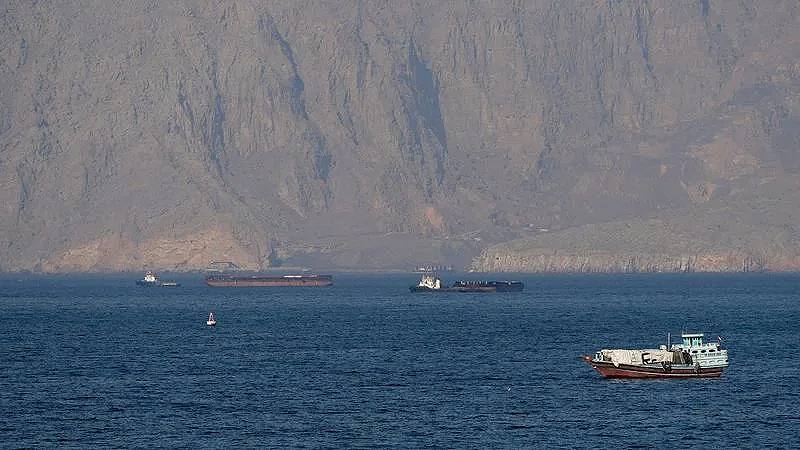
At the same time, uncertainty remains elevated. Details of the US Iran agreement remain limited, and the durability of any peace arrangement is still uncertain. The Strait of Hormuz, through which a significant share of global oil exports passes, remains a highly sensitive strategic chokepoint. We believe markets may currently be too optimistic in pricing short term geopolitical risk. Any setback in negotiations could rapidly restore a geopolitical premium to oil prices.
Additional attention is focused on Kevin Warsh’s first appearance as chair of the Federal Reserve. Financial markets are waiting for signals regarding the future path of US interest rates. Analysts believe that even without an immediate policy change, the tone of Warsh’s remarks could significantly influence the dollar, bonds, and equity markets. If his rhetoric proves more hawkish than expected, part of the current optimism could fade quickly.
Gold and cryptocurrencies also continue to reflect caution. Despite lower oil prices, gold remains near elevated levels, while Bitcoin continues trading above 64,000 dollars. This suggests investors are not yet ready to fully abandon defensive assets.
In the broader picture, London Hub Global sees current market behavior as the beginning of a new phase of global capital reallocation. If Iranian oil genuinely returns to global markets, inflationary pressure in Europe and the UK could ease faster than expected. For London, this could create a window of opportunity through lower financing costs, stronger corporate funding conditions, and improved investment sentiment. However, we stress that the primary risk remains geopolitical. Until a final agreement is formally secured, markets may be moving too quickly to price in a fully stable normalization scenario.