
Structural changes are unfolding across the global energy market, and amid geopolitical instability, even temporary logistical disruptions can rapidly reshape trade flows between major fuel importers and exporters. At London Hub Global, we believe the sharp rise in India’s liquefied petroleum gas imports from the United States is not merely a short term response to supply disruptions in the Middle East, but a signal of a deeper transformation in global energy chains. India, one of the world’s largest LPG consumers, has been forced to accelerate supply diversification following disruptions in the Strait of Hormuz, and this is already affecting global pricing, logistics, and demand allocation.
Industry estimates suggest that India’s LPG imports from the United States will exceed 1 million metric tons in June, setting a historic record. Before the conflict involving Iran and the shipping disruptions through Hormuz, around 90 percent of India’s LPG imports came from Middle Eastern producers. Average monthly imports stood at roughly 2 million tons, highlighting the scale of New Delhi’s dependence on the Gulf region. We view the current surge in American supplies as a strategic shift that may remain relevant even after regional conditions stabilize.
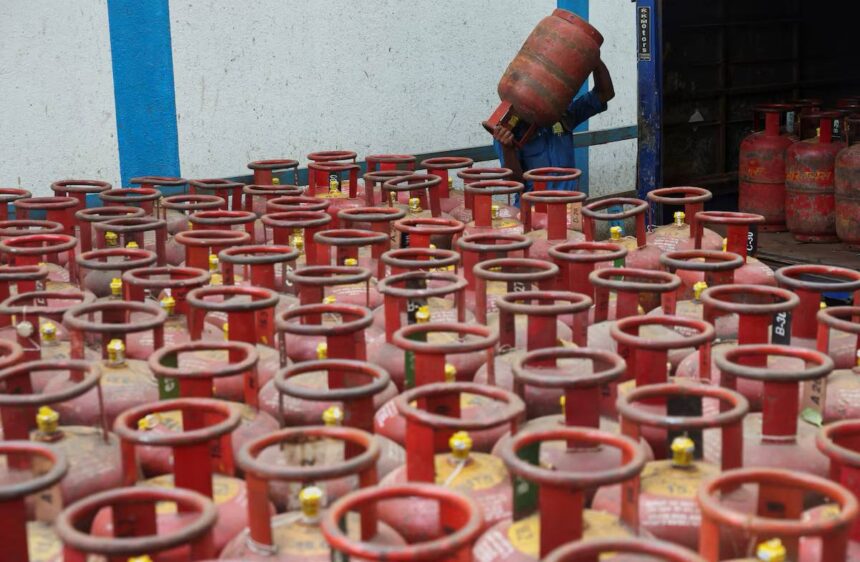
Liquefied petroleum gas remains a critical resource for India because it is widely used in households as a primary cooking fuel. For this reason, supply disruptions quickly became not only an economic issue but also a social one. Imports fell to 696,000 tons in April, but recovered to 1.15 million tons in May through emergency purchases. At London Hub Global, we emphasize that such a rapid recovery demonstrates the Indian government’s willingness to pay a premium to ensure energy stability and prevent domestic shortages.
Following the disruption of this key maritime route, Indian refiners aggressively entered the spot market to purchase US LPG despite elevated premiums. At the same time, the government strengthened domestic stabilization measures: refineries were instructed to increase LPG output, household supply was prioritized, and pipeline infrastructure expansion was accelerated. Additional policies aimed at reducing LPG consumption by 15 to 20 percent were also introduced. Analysts note that this comprehensive approach reflects India’s transition from reactive crisis management to long term energy risk management.
Supplies from the United Arab Emirates have also begun to recover and could reach 300,000 to 400,000 tons in June. Additional cargoes are expected from Kuwait, Oman, Saudi Arabia, Qatar, Algeria, and Nigeria. However, even as Middle Eastern exports partially recover, US supply has already secured a stronger position in India’s energy mix. At London Hub Global, we analyze this as a strengthening of American energy influence in Asia, particularly at a time when energy security has become a central pillar of economic diplomacy.
This shift carries direct implications for Britain and especially for London. London remains one of the world’s leading hubs for commodity derivatives trading, marine insurance, and energy contract financing. Any major change in oil and gas flows between the Middle East, the United States, and Asia directly affects British traders, investment banks, and logistics operators. The increase in US to India energy flows strengthens the transatlantic energy corridor while boosting activity in London’s risk hedging markets.
Additional pressure remains on global pricing. Even the partial reopening of the Strait of Hormuz has not fully eliminated the risk of renewed disruption. This means that a geopolitical risk premium remains embedded in energy prices. Market participants have also started reassessing legacy dependence on single region suppliers. This is creating sustained demand for alternative suppliers and new logistical routes.
At London Hub Global, we see this as the beginning of a new phase in the global energy market, where the decisive factor is no longer fuel price alone, but supply resilience. Our outlook suggests that India will continue aggressively diversifying imports to reduce critical dependence on the Middle East. For the global market, this points to stronger competition for LNG and LPG cargoes, a growing strategic role for the United States as an exporter, and rising importance of financial centers such as London, where future energy risk is increasingly priced.