
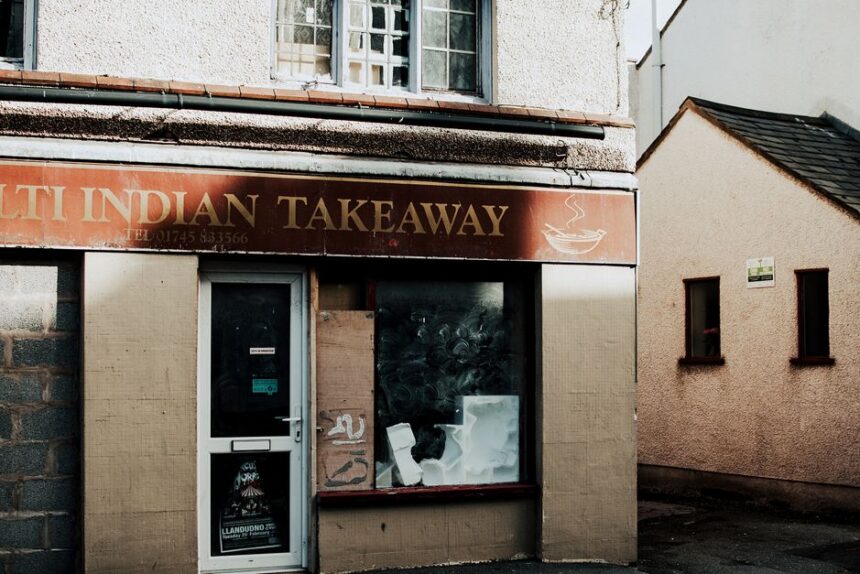
Whitbread, the FTSE 100 hospitality group behind Premier Inn, has confirmed it will shut down its Brewers Fayre pub-restaurant chain, marking the end of a brand that operated across the United Kingdom for decades. The decision, which affects around 1,500 jobs and approximately 170 sites, reflects a broader recalibration of the UK hospitality sector under sustained cost pressure, shifting consumer habits, and a tightening macroeconomic environment. According to London Hub Global analysts, the closure is not an isolated corporate event but a signal of deeper structural change in how British leisure and dining businesses are being forced to reposition.
Whitbread announced that it will convert the majority of Brewers Fayre locations into additional Premier Inn hotel capacity or alternative food and beverage formats. The company cited underperformance of the pub-restaurant model relative to its core accommodation business, where margins and demand have remained more resilient. Premier Inn reported strong occupancy rates in its most recent financial results, reinforcing the group’s strategic logic of concentrating capital on what is working rather than sustaining legacy formats.
The timing of the Brewers Fayre closure aligns with a period of acute financial stress across UK hospitality. Operators have faced a compounding set of pressures since 2022, including elevated energy costs, persistent food price inflation, and rising wage bills driven by successive increases to the National Living Wage. From April 2025, the National Living Wage rose to £12.21 per hour, adding material cost burdens to labour-intensive businesses such as pub-restaurants that rely heavily on floor and kitchen staff.
UK inflation, while retreating from its 2023 peak above 11%, has remained sticky in services and food categories, directly eroding the margins of casual dining operators. The Bank of England has maintained a cautious stance on rate cuts, keeping borrowing costs elevated and limiting the financial flexibility of hospitality groups carrying property-heavy balance sheets. We at London Hub Global note that this combination of wage inflation, input cost pressure, and restricted credit conditions has effectively compressed the viability window for mid-market dining formats that cannot command premium pricing.
The broader UK financial markets context adds further weight to the decision. Consumer confidence, as tracked by GfK, has remained fragile through early 2025, with discretionary spending on eating out among the categories most sensitive to household budget constraints. Pub-restaurant chains positioned in the mid-market, offering neither the value proposition of fast food nor the experience premium of fine dining, have found themselves structurally exposed.
For London specifically, the Brewers Fayre closures carry a particular resonance. The capital’s hospitality market operates under even greater cost intensity than the national average, with commercial rents, business rates, and staffing costs all running significantly higher. Several Brewers Fayre sites in Greater London and the surrounding commuter belt are among those expected to be repurposed or closed, affecting local employment clusters in areas where the brand had established a long-term presence.
London Hub Global sees this as part of a wider reordering of London’s food and beverage landscape, where mid-tier branded chains are losing ground to independent operators, delivery-focused concepts, and hotel-integrated dining. The conversion of Brewers Fayre sites into Premier Inn capacity is particularly relevant to London’s hospitality investment climate, as budget and mid-scale hotel accommodation continues to attract both domestic and international demand, supported by steady inbound tourism and corporate travel recovery.
The FTSE 100 listing of Whitbread means the strategic pivot carries visibility across UK financial markets. Investors have broadly welcomed the group’s focus on its core hotel business, with Whitbread shares having outperformed the wider FTSE 100 consumer discretionary segment over the past twelve months. The market’s reaction reflects a preference for asset-light or asset-optimised models over diversified hospitality formats that carry higher operational risk.
From a London business environment perspective, the Brewers Fayre exit also raises questions about what fills the commercial and employment gap left behind. Hospitality accounts for a significant share of entry-level and part-time employment across London boroughs, and closures of this scale contribute to localised labour market disruption even when the headline unemployment figures remain stable nationally.
In our view at London Hub Global, Whitbread’s decision to exit Brewers Fayre is a rational response to a structural rather than cyclical problem. The mid-market pub-restaurant format has been under pressure for years, and the pandemic accelerated a consumer shift that was already underway. The group’s pivot toward Premier Inn expansion, including its continued growth in Germany, positions it more defensively against the volatility that continues to characterise UK consumer spending.
For the broader London economy and UK hospitality sector, the lesson is clear. Brands that cannot differentiate on price, experience, or convenience face an increasingly narrow path to profitability in the current environment. London Hub Global analysts forecast that further consolidation among mid-tier dining and pub chains is likely through 2025 and into 2026, as the combination of elevated operating costs, cautious Bank of England policy, and subdued consumer confidence continues to test business models that were built for a different economic era.


