
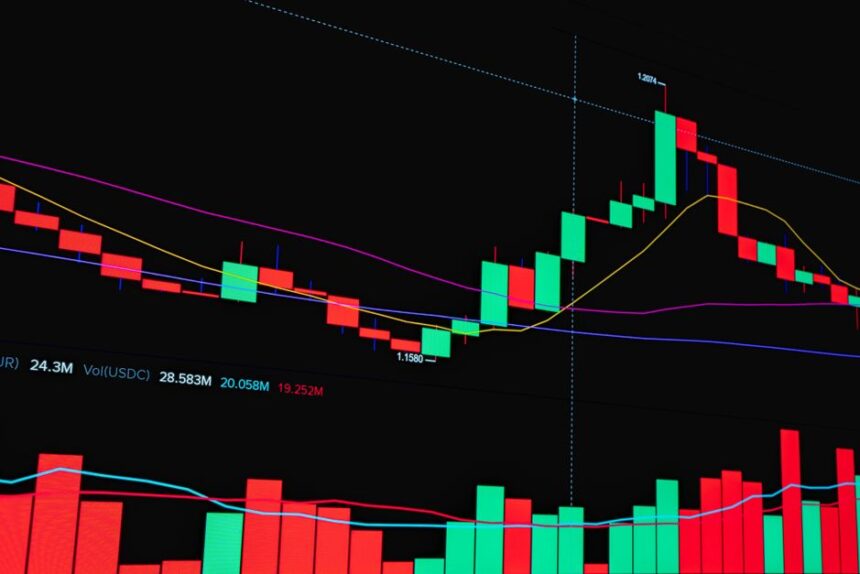
European stock markets have reached record territory, with major indices posting gains that reflect a broader shift in investor sentiment across the continent. The DAX, CAC 40, and FTSE 100 have all moved into historically elevated positions, drawing attention from traders, analysts, and institutional investors who are watching the momentum closely.
The rally has been driven by a combination of factors, including easing inflation pressures, expectations around central bank policy adjustments, and stronger-than-anticipated corporate earnings from key sectors. Investors appear to be repositioning capital into European equities, which have historically been viewed as undervalued compared to their American counterparts.
Germany’s DAX has been among the standout performers in this recent surge. The index, which tracks the 40 largest companies listed on the Frankfurt Stock Exchange, has benefited from resilience in the industrial and automotive sectors. Companies such as Siemens, SAP, and Allianz have contributed meaningfully to the index’s upward trajectory. Despite ongoing concerns about Germany’s broader economic growth, the stock market has managed to decouple somewhat from macroeconomic headwinds, reflecting the global nature of many DAX-listed businesses.
France’s CAC 40 has similarly pushed into record territory. The index has been supported by strong performances from luxury goods companies, which continue to generate robust revenues from international markets, particularly in Asia. LVMH, Hermès, and L’Oréal remain significant contributors to the index’s performance, and their global reach has helped insulate the CAC 40 from purely domestic economic pressures. The French market has also seen renewed interest from foreign investors who view European luxury brands as a durable long-term asset class.
The FTSE 100 in London has joined the record-breaking trend, though its composition gives it a somewhat different character compared to its continental peers. The index is heavily weighted toward energy, mining, and financial companies, which means its performance is closely tied to commodity prices and global banking conditions. Rising oil prices and a stable outlook for major financial institutions have provided a tailwind for the FTSE 100. Companies such as Shell, BP, HSBC, and Rio Tinto have played a central role in pushing the index to new highs.
Several broader themes are contributing to the positive environment for European equities:
- Inflation moderation – Consumer price growth across the eurozone and the United Kingdom has slowed from its peak levels, reducing pressure on household spending and corporate margins.
- Central bank signals – The European Central Bank and the Bank of England have both indicated a more cautious approach to further rate hikes, with markets pricing in potential rate cuts in the coming months.
- Corporate earnings resilience – Many large-cap European companies have reported earnings that exceeded analyst expectations, suggesting that businesses have adapted effectively to the higher cost environment.
Currency dynamics – A relatively stable euro and pound have made European assets more attractive to international investors without creating significant headwinds for exporters.
Capital rotation – Some investors have been moving funds from overvalued technology-heavy markets into more diversified European indices, seeking better value and dividend yields.
The performance of these indices also reflects a degree of optimism about geopolitical stabilisation, even as conflicts and tensions in various regions continue to create uncertainty. Markets have shown a capacity to look past short-term disruptions and focus on longer-term earnings potential and monetary policy trajectories.
Analysts have noted that the current rally carries both opportunities and risks. On the positive side, European equities still trade at lower price-to-earnings multiples compared to US stocks, suggesting there may be further room for appreciation if economic conditions remain supportive. Dividend yields on many European blue-chip stocks remain attractive relative to bond yields, particularly if interest rates begin to decline.
However, there are cautionary notes worth considering. Economic growth in the eurozone remains fragile, with Germany in particular facing structural challenges related to energy costs and industrial competitiveness. Any deterioration in global trade conditions or a resurgence of inflationary pressures could quickly reverse the current positive sentiment. Political uncertainty in several European countries also adds a layer of unpredictability to the investment landscape.
The FTSE 100 faces its own specific considerations, as the UK economy navigates a post-Brexit trade environment and deals with persistent cost-of-living pressures affecting domestic consumption. The index’s international composition provides some buffer, but domestic-facing sectors remain under pressure.
For investors monitoring European markets, the current environment presents a nuanced picture. The record highs achieved by the DAX, CAC 40, and FTSE 100 are a genuine reflection of improved conditions and shifting capital flows, but they also demand careful attention to the underlying fundamentals that will determine whether these gains can be sustained over the medium and long term.
European equities have demonstrated that they are capable of delivering strong returns even in a complex global environment, and the current momentum suggests that institutional and retail investors alike are taking notice of the opportunities that the continent’s major markets continue to offer.


